Located deep in the heart of Texas where prairies begin to give way to rugged limestone cliffs and clear rivers cut through dry land, the Texas Hill Country is easy to romanticize. But practicing architecture here means respecting limits – water is not guaranteed and heat is not theoretical. Often, the gap between what a client wants and what a project can afford can be as expansive as the wide-open sky.
When sustainability leaders like me talk about opportunities in the built environment, we often start with things like EUI targets, decarbonization strategies and building performance metrics. But in the Texas Hill Country, sustainability doesn’t show up in acronyms or checklists, but rather as practical questions: How do we keep this building comfortable? How do we make it last? How do we use less water? And how do we do all of that within a modest budget?
To understand how architects in this part of Texas navigate those questions, I spoke with two AIA members living and working in the Hill Country: Brady Dietert and Sara Freudensprung. They have different perspectives and unique ways of talking about sustainability, but they share a practical yet powerful perspective: a focus on what works.
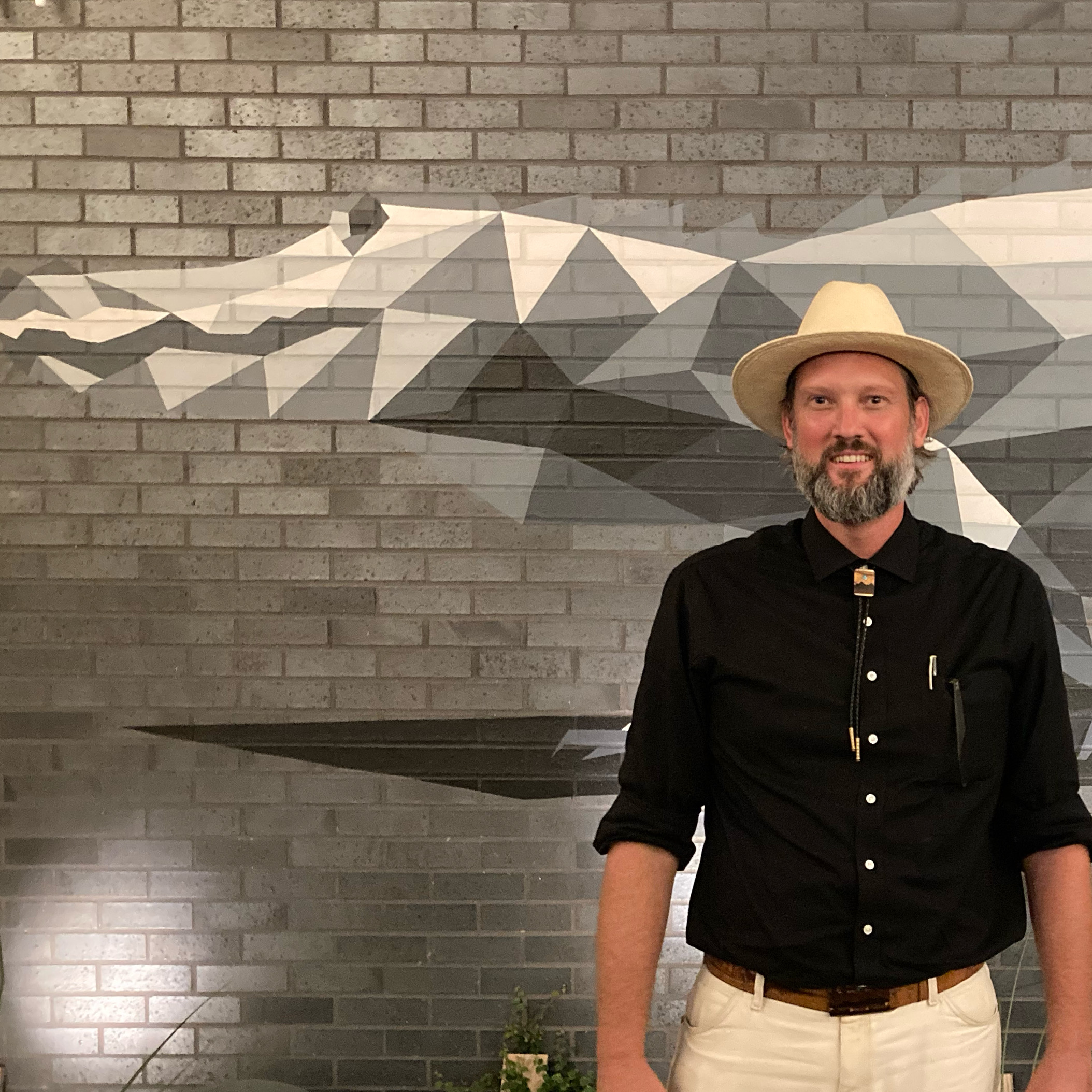
When “Saving the World” Isn’t a Strategy
Brady Dietert, AIA, Dietert Design Studio, Leakey, TX
Brady is refreshingly candid about where he thinks the sustainability community goes wrong. Not because he doesn’t care about the environment – he clearly does – but because he’s seen what happens when good intentions turn into points of division.
In his view, one of the fastest ways to lose a client is to treat sustainability as a moral test: a pass/fail measure of whether someone is doing the “right thing.” He described a shift in his own thinking that struck me in its honesty. “I used to believe that saving the world was more important than serving the client.” But over time, he realized something more nuanced and more useful: he can’t move a client towards his perspective if he doesn’t first demonstrate that he cares about them.
That line hit me because it reframes sustainability as a relationship problem and not a technical one. If a client feels judged, they stop listening. If they feel unheard, they stop trusting. And if they feel like sustainability is going to be used as a lever to push them into decisions they are unsure of, the conversation ends before it begins.
Brady’s point isn’t that architects should abdicate responsibility to address sustainability. It was that we have to earn that influence. We have to start by understanding our client’s circumstances – financially, emotionally, culturally – before we begin prescribing solutions. In rural contexts like the Hill Country, sustainability cannot be framed as a luxury add-on. It has to be framed as what it often truly is: durability, comfort, long-term value and common sense.
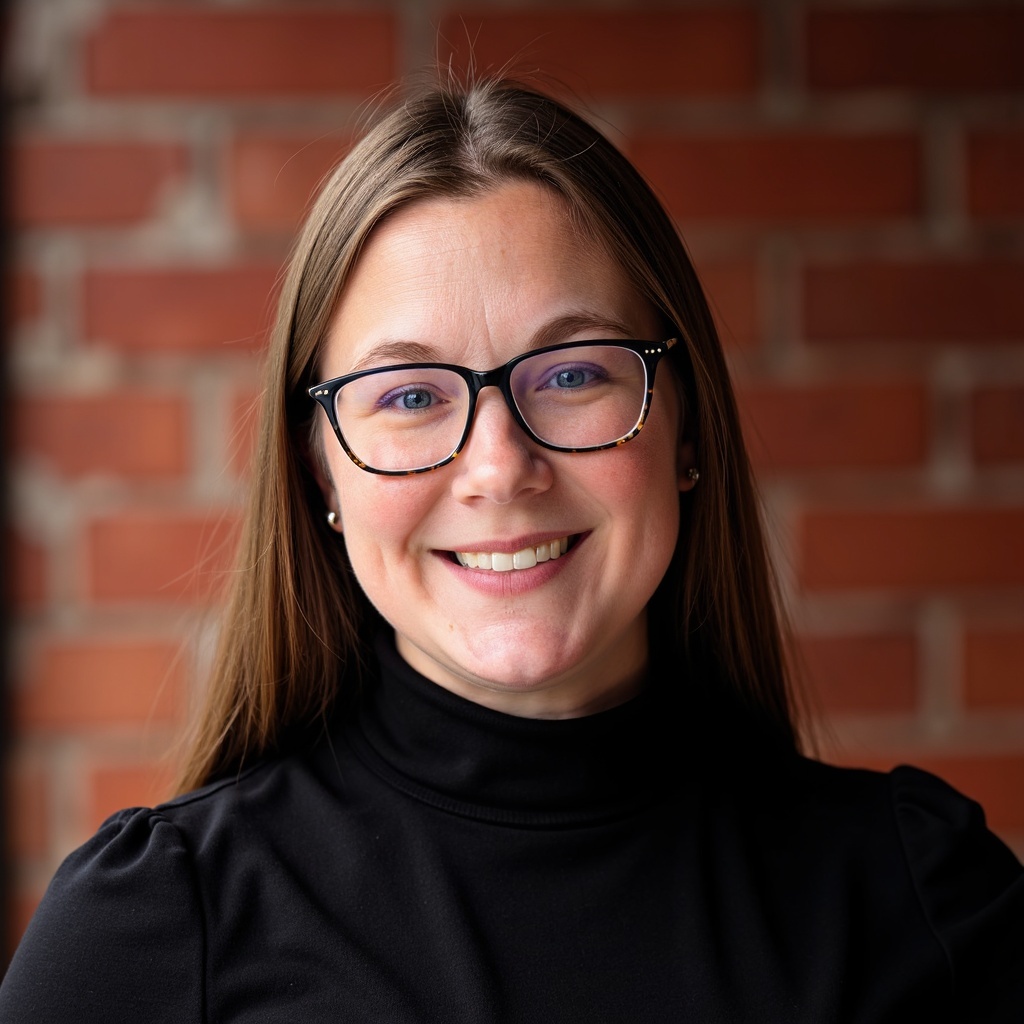
Quiet Influence and the Power of “Ask Twice”
Sara Freudensprung, AIA, Simply Architecture, Kerrville, TX
Sara’s approach is quieter but no less disciplined. What stood out in my conversation with her was the calm steadiness of her practice. She doesn’t talk about sustainability as a separate identity but rather a responsibility embedded in everyday decisions around citing, shading, insulation, water harvesting and long-term maintenance. The strategies aren’t flashy, but they are foundational. Where Brady is willing to name what’s broken in the broader sustainability discourse, Sara shows what it looks like to keep moving forward anyway.
Sara described a way of working with clients that I found both practical and surprisingly freeing. She’ll raise an issue – whether it is better insulation, native plants or stormwater cisterns – and she’ll explain why it matters. Her policy is to raise the issue twice and if she still hasn’t gotten traction with the client, she moves on.
I particularly appreciate this philosophy because she isn’t shying away from the hard conversations, but she is also not turning every decision into a battle or every compromise into a failure. Her persistence is real but it’s measured. She holds the line where it matters but doesn’t compromise her role as a trusted advisor by pushing too hard.
In smaller communities such as this, that philosophy matters. Clients here are often close to the land in a way that’s difficult to capture in national conversations. They are unlikely to show up asking for a “sustainable” building, but they understand water in both its scarcity and its destruction. They understand heat. They understand what it means to use the resources that you have and maintain them over time. Sara meets them there, without needing to perform sustainability as a brand.
Listening to both Brady and Sara, a few common themes emerged:
It is cost, not ideology, that drives the sustainability conversation.
Both Brady and Sara described cost as the critical point where the sustainability conversation lives or dies. When budgets are tight, the most successful strategies are the ones that deliver multiple benefits: comfort, durability, lower operating costs, reduced consumption. Sustainability framed as sacrifice rarely lands. Sustainability framed as value often does.
Client care is the precondition for change.
Brady’s reflection about serving the client before trying to “save the world” is not a retreat from environmental responsibility. It’s an acknowledgement that change happens through trust. Sara’s “ask twice, then move on” approach is another version of the same idea: you can guide but you can’t force. And if you lose the relationship, you lose the project and with it, any chance to make things better.
The most effective approach is often quiet.
Neither architect described sustainability as a dramatic gesture. It’s often small and incremental. It’s the accumulation of better defaults, passive design strategies, smarter citing and long-term thinking. In a world that tends to value the new and innovative, this kind of practical application can be overlooked. But it may be the most durable kind of progress.
I started this interview series because I believe that we need a wider circle of voices in the sustainability conversation – especially voices shaped by places where environmental realities are felt directly but where the language of sustainability can be irrelevant. Brady and Sara reminded me that the future of sustainable design may depend less on new technology and more on practiced empathy: listening closely, choosing wisely and making the best decisions we can, one project at a time.