By Angela Brooks, FAIA
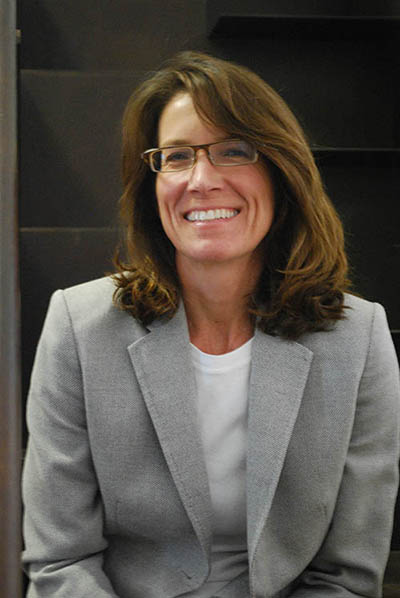 Minneapolis in May is all about welcoming the coming warmth with celebrations and events. This city also happens to be the home base of Snow Kreilich Architects, winner of the 2018 AIA Firm Award. With a body of work that is understated and welcoming, an ideology that is restrained and, in their own words, “peaceful,” the firm designs elegant spaces that recognize and enhance our everyday experiences. We were privileged to have Julie Snow, FAIA, as a juror on the AIA COTE Top Ten Awards this year. A special congratulations to the entire firm’s dedication and leadership, setting an example for all of us.
We have heard from some of you regarding the merit of awarding a single-family house an AIA COTE Top Ten award, due to the proportionally larger demands it puts on our shared environment.
There have been a total of 12 single-family house winners in TT history and our firm counts two of them (2013 Yin Yang House and 2006 Solar Umbrella). Ironically, single-family houses are not our core business, but through their design, both of these made a bold statement about type and both wear their solar power on their sleeves. Both were designed to be net zero energy and both incorporated an existing house (a 1924 bungalow in the case of Solar Umbrella). This year’s winner, the Sawmill House by Olson Kundig, is also a net zero project and tells an important story, though it is on a rural desert site. The conversation we are having about the single-family house type and the policies that are in place that govern development are crucial; California recently mandated solar panels on most new homes and this bill received the support of homebuilders and large utilities. Now, what about the rest of the country?
I’d like to start a conversation about the nature of “home,” our shared values, how we currently live, and how we might begin to shift towards a new way of living. In Los Angeles we have a “small city population” of homeless people (over 50,000 in Los Angeles County on a given night); other parts of the country have other housing issues. Rather than being content with the few housing options we currently have in this country, our policies and practices should embrace many more. Great examples abound, but they are not typical and our codes and policies tend to discourage innovating house types. If we can fix this, we also have the potential of bringing efficiency and livability up. (Ideas like these permeate Drawdown, an inspiring book that is now the foundation of Project Drawdown.) A greater menu of living choices will also help us house everyone because having a roof over one’s head should be a basic right.