Appropriately designed environments for older adults can provide
many benefits such as enhancing resident dignity and quality of life;
maximizing a residents’ ability to maintain an independent lifestyle
despite physical or mental constraints; providing workplaces for
care givers that maximize their efficiency and efficacy; fostering
connections between residents, staff , family and neighbors to
create a strong sense of community and personal fulfillment.
Design can also generate a sense of pride in where people work
and live. Environments that are uplifting, visually appealing and
non-institutional should be noted and recognized.
Which designs achieve those results? How do they do it? “Hands-on” experiential data is certainly available yet it is often untapped
and undocumented. Unique approaches to design and care remain
unshared.
Post occupancy evaluations (POEs) help identify which design
approaches are beneficial and why. Through data collection and
analysis, interviews, on-site observations, graphics and images,
POEs evaluate what design features work well, which do not, and
provide the foundation for evidence-based design.
![]()
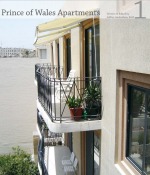
Prince of Wales Apartments
Written & Edited by Jeffrey Anderzhon, FAIA |
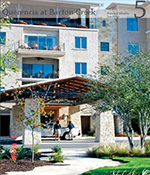
Querencia at Barton Creek
Written & Edited by Tom Hauer
|
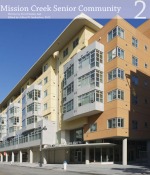
Mission Creek
Written by Dorit Fromm, AIA, Edited by Jeffrey W. Anderzhon, FAIA
|
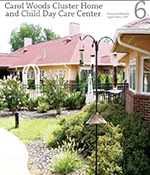
Carol Woods Cluster Home and Child Day Care Center
Written & Edited by Ingrid Fraley, ASID
|
|
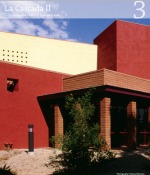
La Cascada II
Written & Edited Jeffrey W. Anderzhon, FAIA |
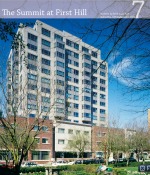
The Summit at First Hill
Written by Wolf Saar, AIA, Edited by Jeff Anderzohn, FAIA
|
|
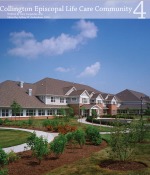
Collington Episcopal Life Care Community
Written by Amy Carpenter, AIA, Edited by Jeffrey W. Anderzhon, FAIA
|
|
|