As we get closer to the AIA Conference on Architecture & Design 2026, taking place June 10–13, 2026, in San Diego, California, we look forward to connecting with many of you in person and continuing the conversations that define and advance our work in urban design.
If you are planning to attend and are engaged in urban design within your practice, we encourage you to join us for two RUDC-related programs taking place during the conference. These sessions reflect two important dimensions of our work—peer exchange and real-world application.
Hope to see you there! Learn more & register:
AIA Conference on Architecture & Design 2026
On Thursday, June 11 at 10:30 AM—RUDC Open Forum
The Future of Cities: Why Urban Design Matters
We will begin on Thursday morning with the RUDC Open Forum—an interactive Community Hub session focused on the future of cities and the evolving role of urban design.
Rather than a traditional panel, this session is structured as a facilitated, conversation-based format. Participants will engage in small-group discussions, rotating topic areas, and peer exchange—creating space for dialogue around housing, mobility, climate adaptation, and the broader forces shaping our urban environments.
This format reflects an important shift in how we gather as a professional community—not simply to present, but to listen, share, and collectively interpret the challenges and opportunities facing our cities today.
On Saturday, June 13 at 10:30 AM—Urban Studio Workshop
Communities by Design | AIA Foundation | AIA San Diego
On Saturday, we will be collaborating with the AIA Foundation’s Communities by Design program, in partnership with AIA San Diego and local civic stakeholders, through an Urban Studio Workshop focused on the redevelopment of San Diego’s Civic Center.
This effort represents a unique opportunity to bring architects and urban designers directly into a complex, real-world civic process. The site itself has been the subject of decades of discussion, with recent redevelopment efforts shaped by a mix of public agencies, private foundations, and downtown leadership—yet notably without a strong design voice consistently at the table.
The workshop is structured as an immersive, hands-on experience, beginning with a site visit and followed by collaborative working sessions. Participants will engage alongside local leaders and practitioners to explore urban design strategies, community engagement approaches, connectivity, public realm improvements, and comparative lessons from other cities.
As collaborators in this effort, RUDC members bring a valuable external perspective—helping to elevate the role of design in shaping civic outcomes and positioning architects as essential partners earlier in the development process. The work will also contribute to a post-workshop summary of ideas and case studies, extending the impact beyond the session itself.
Looking Ahead—RUDC Symposium 2026
Please save the date for the RUDC Symposium, October 1–3, 2026, in New York City, in partnership with the Association of Collegiate Schools of Architecture.
Building on the momentum of Dallas last fall and previous cities, the Symposium will continue to expand the dialogue between research and practice in urban design. Keep a lookout for upcoming announcements regarding the Call for Presentations later this month and opportunities to participate. The submission deadline will be June 15, 2026.
You can learn more through ACSA here:
ACSA Intersections Conference: Urban Design Matters
Featured Article—RUDC Leader Insights
This month’s featured article explores a similar theme and how architects and urban designers should engage with the forces that shape our cities earlier and more meaningfully. In RUDC Leader Insights, Griffin Sanderoff, Assoc. AIA offers a thoughtful reflection on how major urban decisions are often shaped long before formal design begins. His piece challenges us to consider the value of clarity, civic process, and professional engagement at the front end of urban transformation.
Through his leadership in convening dialogue around a complex redevelopment effort, Griffin demonstrates how architects can contribute not only through design expertise but also by helping communities better understand the systems, decisions, and public processes that shape civic outcomes. His article is a strong example of the kind of thought leadership emerging across our RUDC network, and it shows why urban design continues to matter at every scale.
Chapters & Components Engagement
For AIA Chapters and Components that currently have an Urban Design Committee—or are interested in starting one—we encourage you to connect with us. RUDC is happy to share resources, lessons learned, and support as you build or expand local urban design leadership. Please reach out, and we would welcome the opportunity to collaborate.
Continuing the Conversation
With a network now exceeding 10,500 members, RUDC represents one of the largest and most engaged communities within AIA. The strength of this network lies not only in our shared expertise but in our willingness to actively exchange ideas, challenge assumptions, and learn from one another.
We encourage you to continue these conversations beyond the conference by engaging on the RUDC Discussion Board—our shared platform for dialogue, insight, and collaboration across regions and practice types. Whether you are exploring a complex urban issue, sharing a project, or seeking peer perspectives, this forum is an opportunity to tap into the collective knowledge of the RUDC community.
Join the conversation here:
RUDC Community Hub Discussion Board
These ongoing exchanges—alongside our work at the conference, through Communities by Design, through member thought leadership, and within our Symposium—reinforce a broader theme: that shaping meaningful urban outcomes requires not only design excellence, but sustained engagement in the ideas, systems, and conversations that define our cities.
Warm regards,
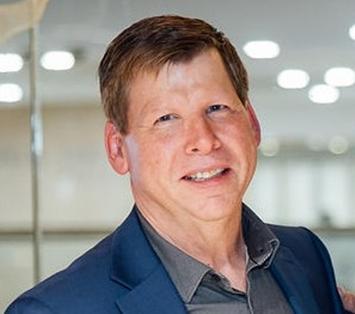
Peter Darby, AIA
Chair, AIA Regional & Urban Design Committee (RUDC)