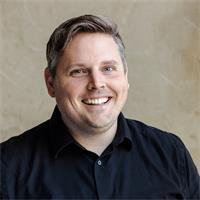
Letter from the Chair Scott Archer
RUDC Vice Chair Peter Darby and I were honored to represent the Regional & Urban Design Knowledge Community at the AIA Leadership Summit in February. Kicking off the Summit, we participated in a Knowledge Community Leadership Retreat where AIA’s 21 Knowledge Communities alongside other leaders within AIA – such as representatives of the Strategic Council and BoKnoCo (Board Knowledge Community) – collaborated on developing ideas around themes of climate resilience, advanced technology, and equitable community development. All three themes are central to our work in Regional & Urban Design. Keep an eye out for future programming centered on these strategic priorities through AIAU, the RUDC Forum at AIA’25 (scheduled for Thursday, June 5), and at our annual RUDC Symposium later this fall (location teaser: this state has five of the top twelve largest cities in the United States). If you are an expert or participating in specialized research in any of these areas, please reach out to share your expertise with our RUDC members and AIA more broadly.
The collaborative KC Retreat was facilitated by The Spill Teem. Among the many techniques and inspiring prompts, Joshua René reminded us to approach the process with this mantra: “I have a lot of value and so do they!” As a professional that often facilitates community and stakeholder engagement, I was reminded of two typical participants – (1) the one who talks frequently, fills any hint of a pause, and is excited to share what they know; and (2) the one who sits back, listens thoughtfully, but is hesitant to engage, unsure of their comments’ value. Personally, I’ve fallen into both categories before, but if I’m honest, I lean much more toward the former. The Spill Team was pushing us to be neither – or maybe both. We should be proud that we have knowledge to contribute and that each of our individual experiences and expertise can push conversations and projects forward. However, we also have to intentionally make space for others to participate in the collaborative process. Maybe a periodic silence in the discussion isn’t such a horrible thing. (That last sentence is written to myself.)
“I have a lot of value and so do they!” The statement has continued resurfacing in my consciousness since the session. Living and working in Washington, DC, over the past month, my clients, my consultants, and my community have been riding a bumpy road of overwhelming transition. It’s tempting to tell ourselves that the political environment doesn’t directly affect our industry, but as evidenced by the “Hill Day” of the AIA Leadership Summit, one of the primary functions of any professional association is to make our collective voices known through effective advocacy. Design and planning is inherently political – maybe not always the partisan kind – but intervention in the built environment is a political act. It requires interaction with policy and with our neighbors. So I return to the statement above – “I have a lot of value and so do they.” As urban designers, architects, planners, landscape architects, academics, etc., we have to both make our voices heard, sharing our expertise and value, while also creating space for others – that neighbor who knows the comings and goings of all of us on the block, the tourist who may only visit once, the group of students that wants to exist in subversive spaces along the periphery, and, yes, that policy director in City Hall or Congress drafting legislation that will affect each of them and us.
While the federal reduction in force is leading the headlines most days, I challenge us all to see the value embedded in those in the civil service, elected officials, and community volunteers who show up (and those who want to show up if given the opportunity). Our towns and cities could not exist without the experts that review zoning codes and comprehensive plans, those who administer the grants that fund our infrastructure projects (and ensure those funds are spent effectively on behalf of us all), the design review commissions and boards, and those that steward our national parks and natural resources. These aren’t just job descriptions, but positions filled with individuals containing incredible knowledge and useful voices. As I wrote in the last newsletter, we are in the midst of managing change. Let’s not lose those essential to city building in the process.
Say it with me – “I have a lot of value and so do they.”
Scott Archer, AIA, AICP, LEED AP ND
2025 RUDC Chair